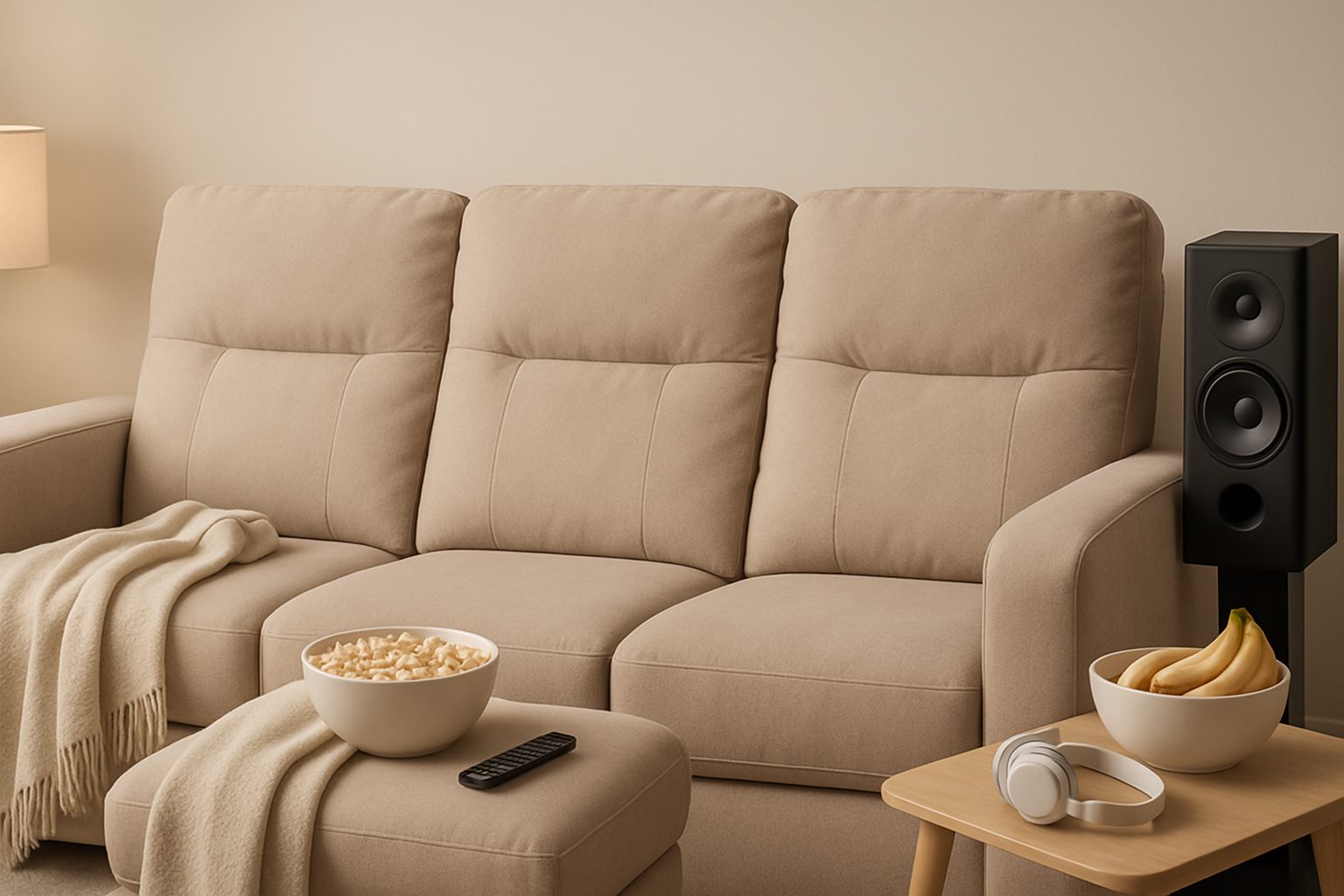
Luxury Home Cinema Seating UK 2025: Premium Picks Over £1,000
A dedicated cinema room without proper seating is like owning a £10,000 projector but watching from a kitchen chair. Premium home cinema seating isn't vanity—it's the difference between comfort during a three-hour film and physical regret by the halfway mark. The best luxury recliners UK manufacturers offer now combine handcrafted construction with ergonomic engineering that tracks how your spine actually moves.
Why Luxury Seating Matters in Home Cinema
Budget seating fails in ways that cheap furniture elsewhere won't. A cinema seat isn't sat in for ten minutes; you're in it for two to four hours at a stretch. Standard office chairs and sofas compress after 18 months. Premium cinema seats use high-density foam cores that maintain shape across years, paired with mechanisms engineered for zero noise and infinite reclining positions.
The other factor is acoustics. A £300 sofa absorbs sound inconsistently—muffling dialogue in some spots, letting bass rattle through the frame. Proper cinema seating uses fabric and fill specifically chosen to avoid acoustic interference. Leather and specialist velvet variants scatter sound appropriately rather than deadening or amplifying it.
For rooms costing £20,000–£100,000 to kit out properly, scrimping on the one thing you'll touch for hours makes no economic sense.
Leather vs Velvet: Material Reality
Leather (genuine top-grain or aniline) remains the cinema standard for good reason. It's durable, cleans instantly with a microfibre cloth, and develops character over time without looking tatty. Full-grain leather breathes better than synthetic alternatives, crucial in a sealed room where you're spending hours motionless.
The downside is cost—premium leather adds 40–50% to the base price. It's also cooler to the touch, which some prefer in summer but find cold in winter.
Velvet has gained traction among UK designers over the past three years. High-thread-count performance velvet (not cheap velvet) resists staining better than leather does, offers superior tactile comfort, and photographs beautifully. It doesn't show fingerprints the way leather does.
The trade-off: velvet requires professional cleaning every 2–3 years if you want to maintain its pile. It's also slightly less durable in high-traffic areas—armrests on velvet seats will show wear after five years of regular use, whereas leather improves.
What £1,000–£3,000 Actually Buys
Entry-level luxury recliners in this range typically offer:
- Single-motor recline: Back and footrest operate together
- Genuine leather or performance velvet covering
- Hardwood frame (beech or similar, not plywood)
- High-density foam (density 30–35kg/m³)
- Cup holders and USB charging (standard now)
- Motion-dampening mechanisms to eliminate creaking
At this tier, you're buying genuine comfort and longevity but accepting some limitations. The recline mechanism may have a audible hum; the heating function (if included) covers only the lower back; and customisation options are limited.
Premium Territory: £3,000–£6,000+
Serious cinema seating starts here. Dual-motor recliners let you adjust the back and footrest independently—essential for finding your exact posture without compromising lower-back support. Full-back heating zones, ventilation systems that pull moisture away from the seat, and USB/wireless charging hidden in the frame become standard.
Hand-tufting, airbrushed leather finishes, and bespoke colour matching enter the conversation. Some manufacturers now integrate Bluetooth speakers directly into headrests, though this is genuinely useful only if your main system isn't already full-range.
Build quality at this level means 10–15-year lifespans before foam degradation becomes noticeable. Warranty coverage is typically 5–10 years on mechanisms and leather.
Setup Considerations Often Overlooked
Dimensions matter more than you think. A 1.2m-wide recliner won't fit between walls in most UK rooms once you account for the extended footrest. Measure with the seat fully reclined before ordering—manufacturers' stated dimensions often omit this.
Weight and stairs. Luxury recliners weigh 80–140kg fully assembled. If your cinema room is downstairs through a standard doorway, verify the seat comes apart or tilts through the frame. Many don't.
Electrical access. Every premium recliner needs a 3-pin socket within 1.5m. This isn't a minor detail in period properties where sockets are scarce.
Honest Trade-Offs
Premium cinema seating won't solve poor room acoustics or substandard projection. A £2,500 recliner in a room with untreated parallel walls will still sound boxed-in. Conversely, genuinely comfortable seating can mask minor AV shortcomings.
Leather does stain if you eat during films (velvet stains less visibly but requires cleaning). Neither material is pet-proof if you have cats or dogs that climb furniture. Both need temperature stability—extreme humidity or dry heat speeds degradation.
Recliners also take up physical space. A 1.2m-wide seat reclined fully extends 0.9–1.2m into the room. Row spacing needs to account for this if you're planning multiple seats.
The Real Advantage
What separates a £4,000 cinema recliner from a £1,200 one isn't night-and-day comfort—you reach a comfort ceiling around £1,500. The difference is longevity, fine-tuning (dual motors, independent controls, zoning), and the psychological satisfaction of owning something built properly. A leather recliner from a dedicated manufacturer will feel solid in year seven; mass-market alternatives will feel tired.
For dedicated cinema rooms, that durability translates directly to value. You're not buying luxury for its own sake; you're buying a seat that will support proper film-watching for a decade without apology.
More options
- Home Cinema Recliner Chairs — Amazon UK (Amazon UK)
- Electric Power Recliner Sofa — Amazon UK (Amazon UK)
- Home Cinema Seating Row with Cup Holders — Amazon UK (Amazon UK)
- Leather Home Cinema Chair — Amazon UK (Amazon UK)
- Home Cinema Pod & Capsule Chair — Amazon UK (Amazon UK)